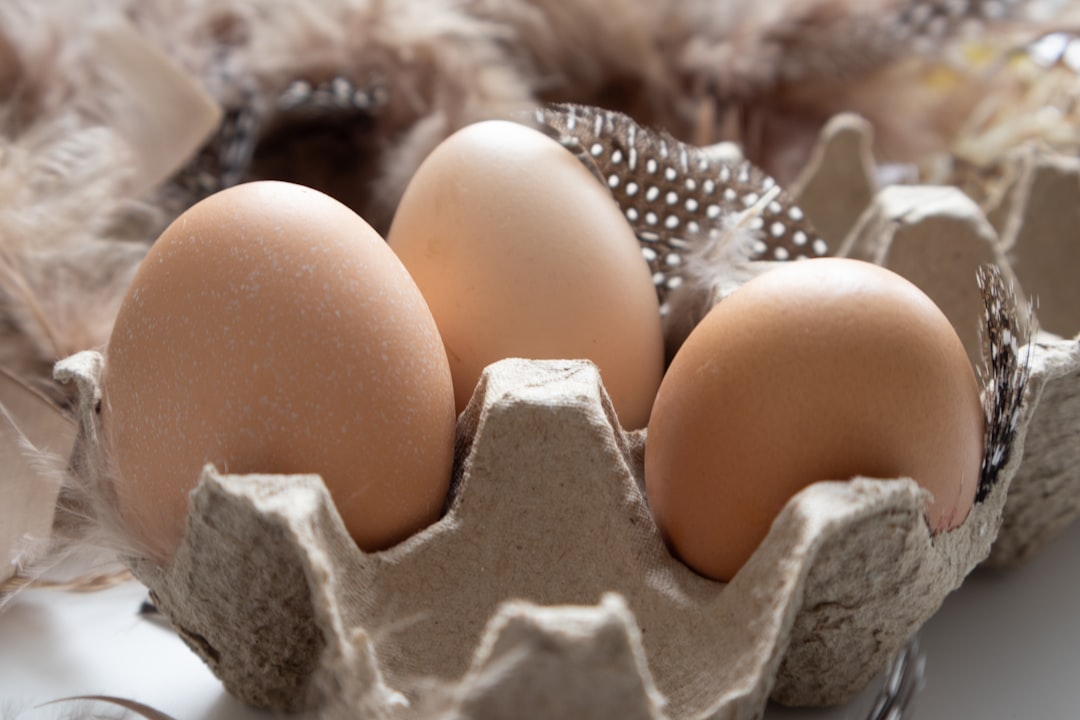
The bird flu has been a topic of concern in recent times, and many people are wondering how it affects the eggs they consume. Should you still eat runny eggs? We've consulted the experts to bring you all the essential information about the bird flu and its impact on eggs.
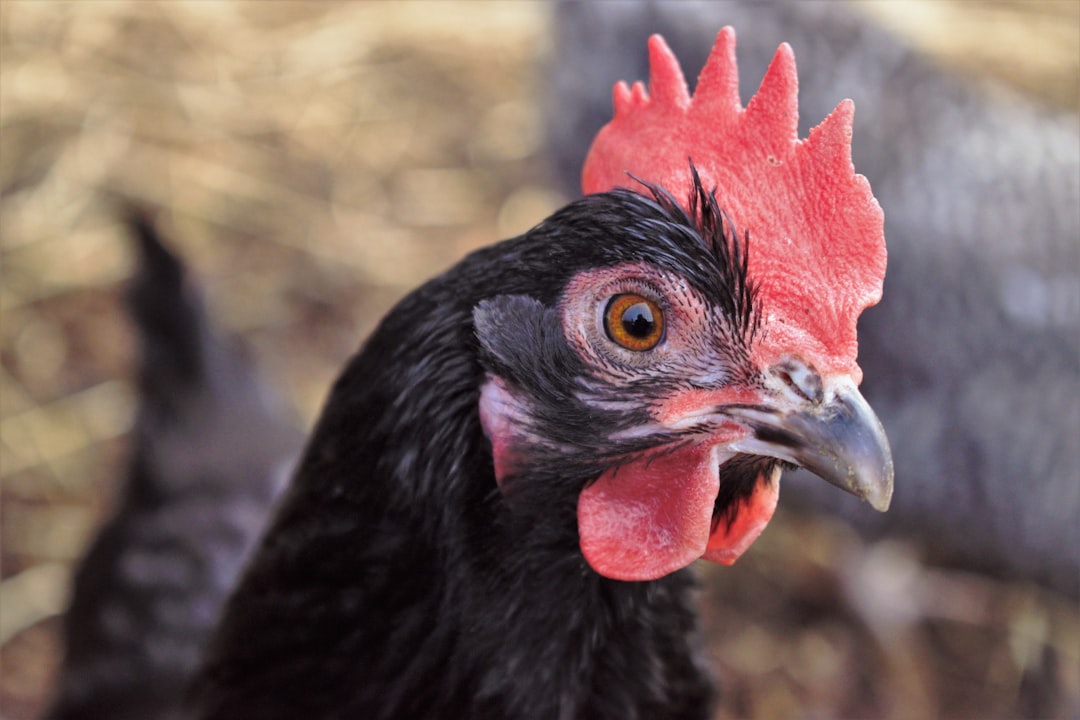
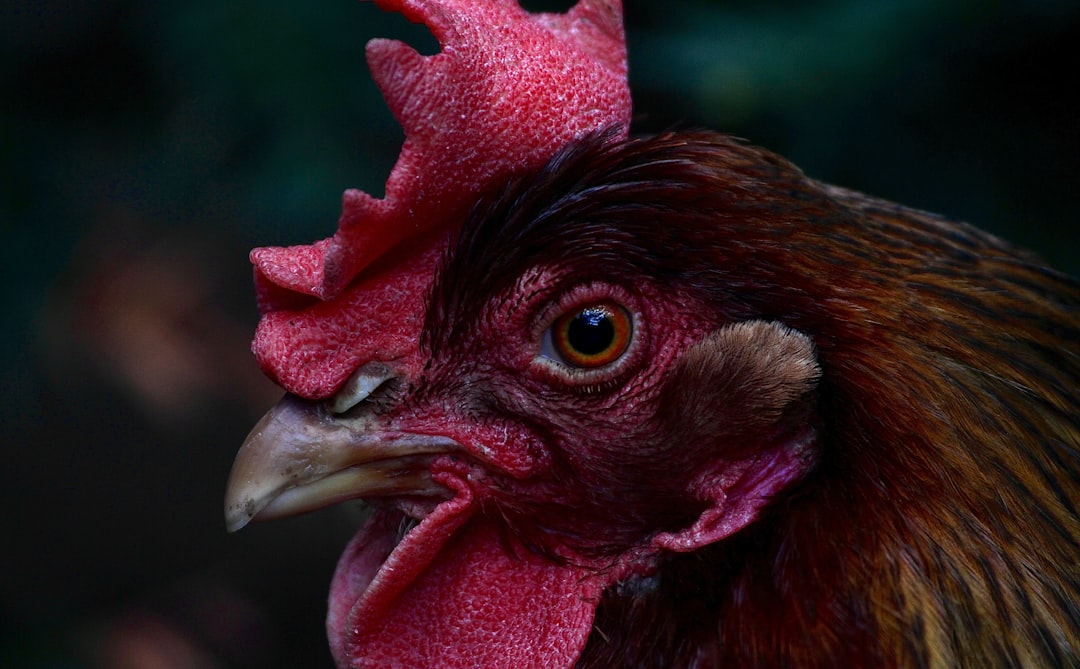
First, let's understand what the bird flu is. Avian influenza, commonly known as bird flu, is a viral infection that primarily affects birds. However, in some cases, it can also spread to humans. The current situation has raised questions about the safety of eggs, as eggs are a staple in many diets around the world.
One of the main concerns is whether the bird flu virus can be present in eggs. According to experts, the risk of getting the bird flu from eggs is extremely low. Eggs from infected hens are not likely to carry the virus in the egg itself. The eggshell acts as a natural barrier, preventing the virus from entering the egg. Additionally, proper cooking of eggs can further eliminate any potential risk.
But what about runny eggs? Runny eggs, where the yolk and white are not fully cooked, have always been a matter of debate when it comes to food safety. In the context of the bird flu, the situation is similar. While the risk is low, it's still advisable to cook eggs thoroughly, especially during an outbreak of the bird flu. Cooking eggs until the yolk and white are firm can kill any potential pathogens, including the bird flu virus.
It's important to note that the egg industry takes strict measures to ensure the safety of eggs. Farms follow strict biosecurity protocols to prevent the spread of the bird flu among their flocks. Eggs are also inspected and tested regularly to ensure they meet safety standards. So, in general, the eggs available in the market are safe to consume.
Another aspect to consider is the source of the eggs. Buying eggs from reputable sources, such as local farms or well - known grocery stores, can provide an extra layer of assurance. These sources are more likely to follow proper safety and hygiene practices.
Now, let's talk about the impact of the bird flu on the egg supply. In some areas where there have been significant outbreaks of the bird flu, there may be a temporary disruption in the egg supply. This can lead to higher prices and shortages in the market. However, the industry usually works quickly to recover and restore the supply.
Consumers may also be interested in knowing if there are any signs to look for in eggs that could indicate a problem. There are no specific visual signs in eggs that can tell if they are from an infected hen. Eggs should always be handled and cooked properly regardless of the situation.
In conclusion, while the bird flu is a concern, the risk to eggs and consumers is relatively low. By following proper cooking practices and buying from reliable sources, you can continue to enjoy eggs as part of a healthy diet. Remember, thorough cooking is key, especially when it comes to runny eggs. Stay informed about the latest developments regarding the bird flu and make informed decisions about your egg consumption.
As the situation with the bird flu continues to evolve, it's essential to keep an eye on official health advisories. These advisories can provide the most up - to - date information on the safety of eggs and other food products. Whether you're a fan of scrambled eggs, omelets, or a simple fried egg, you can still enjoy your favorite egg dishes with the right precautions.
So, the next time you're in the kitchen cracking an egg, don't let the fear of the bird flu spoil your appetite. Just make sure to cook it well, and you'll be able to savor the deliciousness of eggs without worry.