
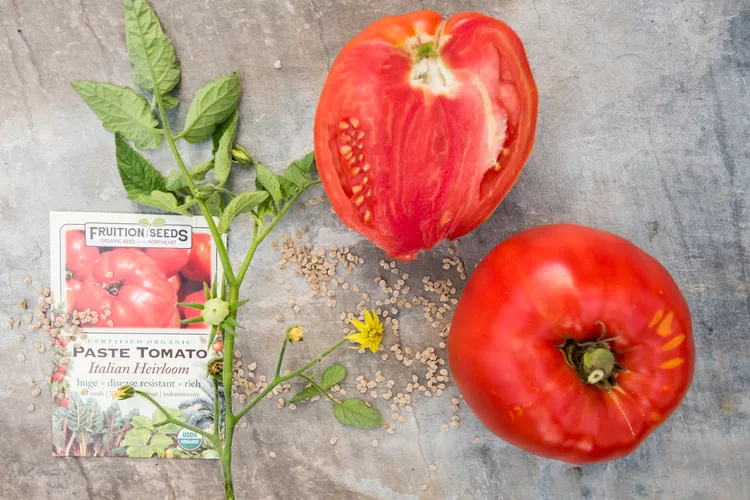
Knowing exactly when to start tomato seeds indoors is key to ensuring you'll get the most out of your plants during the growing season. That's because tomato plants are long-season crops that take a while to mature, so the earlier you get them going, the sooner you'll be enjoying fresh tomatoes. And if you live in a region with a shorter growing season, starting the seeds indoors well before you can plant them outdoors ensures the tomato fruit will have enough time to ripen before cold weather returns. This guide includes you everything you need to know to successfully start tomato seeds indoors.
When to Start Tomato Seeds Indoors
Aim to start tomato seeds indoors about six to eight weeks before your last frost date. So if your expected last frost date is May 10, for example, count back at least six weeks to March 29 as the day you need to get your tomato seeds planted. This will give the seedlings enough time to grow sufficient roots and leaves to establish quickly when planted out in your garden.
Tomato plants should be several inches tall, with multiple sets of true leaves and a bit of branching before you transplant them to the garden. On the other hand, if you start your tomato seeds too early, you may wind up with tomato seedlings that are ready to go outside before the weather has warmed up enough.
How to Start Tomato Seeds Indoors
Tomato seeds can be sown in individual pots or seed-starting trays. If your containers have been used before, thoroughly clean and sterilize them first. Some gardeners like to create seed-starting pots from upcycled materials, which can help save money and reduce waste. Whatever vessel you choose to start your tomato seeds in, follow these steps:
1. Fill containers.
Lightly moisten fresh seed-starting mix and add it to your containers. Rather than filling to the brim, leave about a quarter inch of space to make watering easier and allow room to cover the seeds with a little more mix.
2. Plant seeds.
Place two to three tomato seeds into each pot or planting cell. If using a tray, sow the seeds in rows or a grid about an inch apart.
To make tiny tomato seeds easier to handle, pour them out of the seed packet and into a shallow dish. Then use a pair of tweezers to move them into place in your containers.
3. Cover seeds with soil.
Tomato seeds don't need light to germinate; cover them with 1/8 inch of soil. Alternatively, you can poke a small hole into the potting mix, place the seeds in, and use your fingers to push the mix back into the hole to cover the seeds.
4. Water in your seeds.
Lightly mist the soil with water from a spray bottle to help the seeds settle in. You can also pour water in from a vessel with a gentle stream of water. The important thing is to avoid flooding the potting mix and washing the seeds out of place.
5. Pick a warm place.
Move the growing containers into a warm location. The top of a refrigerator is a favorite spot for stashing seed pots, or near a radiator can work (never place pots directly on radiators, though).
6. Keep seeds moist.
Water seeds lightly every day or two to keep the soil consistently moist. Either mist them from above or bottom water them to avoid disturbing the seeds.
Using soil blocks is another method for starting seeds, but it skips the containers. Follow the same steps above except instead of filling containers with seed starting mix in the first step, fill the soil block mold with your seed-starting mix.
When properly maintained, tomato seeds will germinate in 5-10 days. To speed up germination a little, you can also soak the seeds for a few hours before sowing, but it isn't necessary. The best thing you can do to kickstart germination is keep tomato seeds warm with heating mats and cover them with humidity domes. Once your tomato seeds start to germinate, remove any humidity domes you placed over the seeds and turn off the heating mats to prevent the seedlings from drying out.
Care Tips for Tomato Seedlings
After your tomato seedlings appear, here is what they need to grow into healthy plants before they move out into your garden:
- Provide plenty of bright light (12-15 hours of direct sun). Rotate the tomato pots occasionally if the seedlings stretch toward the light. If you don't have a spot with enough natural light, a grow light is a must.
- Keep seedlings watered, but make sure the pots never sit in a pool of water or they may get root rot. You also don't want to let them wilt, which can weaken and damage them.
- Thin out the seedlings once they are 2 to 3 inches tall and have at least one or two sets of true leaves. Keep only one tomato seedling in each pot or planting cell.
- When they have a few sets of true leaves, start fertilizing the seedlings with a weekly dose of a diluted, organic liquid fertilizer.
- If your plants look overgrown or rootbound, repot seedlings into larger containers. When repotting, handle the seedlings’ root systems carefully and plant them a little deeper in their new pots to support leggy stems and encourage more roots to grow.
- Before transplanting your seedlings, harden off the plants over one to two weeks by moving your plants outdoors during the day and back inside at night. This helps plants adjust to the temperature and light levels of outdoor gardens and is essential for preventing transplant shock.