
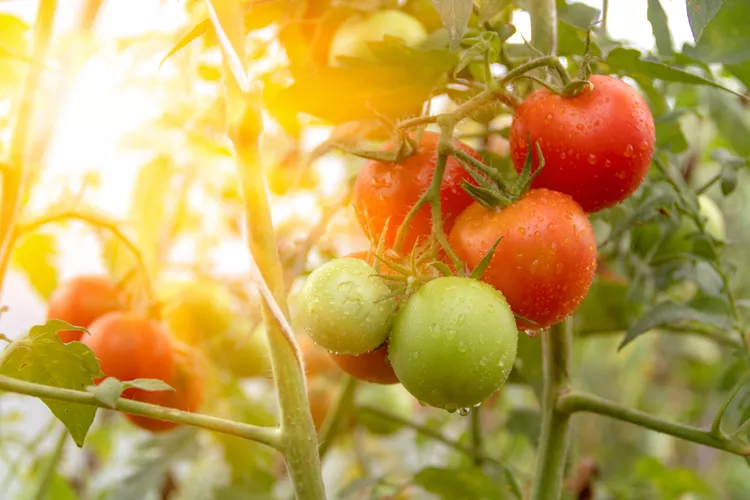
Tomatoes are sun-loving plants that require large amounts of light to develop and ripen the fruit we want. But exactly how much sun do tomatoes need to grow properly? The short answer is: the more sun, the better when it comes to tomatoes. But there's definitely a minimum amount they need, and the time of day can make a difference. Here's what you need to know to ensure your tomatoes receive enough light so they'll produce plenty of sun-ripened fruit for you this summer.
Do tomatoes need full sun?
Whether your tomato of choice is a tiny cherry or grape tomato, a meaty paste-type, or a massive slicer, homegrown tomatoes have a rich flavor that surpasses anything you can buy at the grocery store. That fabulous flavor is thanks to good soil, ample water, and yes, full sun. While you can amend less-than-ideal soil and stay on top of watering your tomato plants all season long, increasing sunlight for already planted tomatoes is not usually possible so it's important to ensure your plants will get enough sun where you want to grow them.
For gardens, full sun means 6 hours or more of direct sunlight per day.
How Much Sun Tomato Plants Need
Tomatoes need at least eight hours of direct sunlight daily to produce a bountiful harvest. For best growth, site tomatoes where they receive direct sunlight from dawn to dusk. Not only does sunlight fuel growth, but it also helps keep bacterial and fungal tomato diseases at bay.
There is an exception to the eight-hour daily recommendation—tomatoes growing in the tropics. Tomatoes in USDA Zones 9 and 10 grow best with just six hours of sunlight; the intensity of the sunlight in these regions means it must be limited for best growth.
The quality of the sunlight is just as important as the hours of sunlight a plant receives. Quality sunlight for tomatoes looks like bright, direct light. The sun’s rays are not filtering through a tree or awning structure; they hit the leaves directly.
Direct sunlight is of greatest value between 10 a.m. and 4 p.m. Aim to situate tomato plants so they have full sun exposure during these prime hours. Be mindful of nearby plants and structures that can cast shade on tomatoes as the sun moves through the sky.
Hot direct sun can dry out soil quickly, so add a 2-inch-thick layer of mulch around your tomatoes to help these moisture-loving plants thrive while soaking up lots of light. Shredded bark mulch, grass clippings, straw, or shredded leaves over the root zone of tomatoes will help moderate soil temperatures and conserve water.
How to Tell If Tomatoes Aren't Getting Enough Sun
Tomato plants suffering from a lack of sunlight will grow differently than tomatoes in fun sun. Look for these signs:
- Spindly, weak stems. Tomato stems might be excessively long as they reach for available light.
- Sparse leaves. Those long, weak stems won't have much foliage on them because the plants don’t have the resources to create new leaves.
- Slow growth. Without enough sunlight to fuel growth, a tomato plant won't grow much.
- Little to no fruit. Tomato plants that get less than eight hours of direct sunlight won't produce much fruit.
Make the Most of Available Sunlight for Tomatoes
If sunlight is scarce in your landscape thanks to trees or nearby structures, you might still be able to grow your own tomatoes by maximizing the light you have with these tips.
Watch the sun.
Analyze the available light your garden gets. Document the light patterns every hour throughout the day on a simple landscape sketch. Yes, this is time-consuming, but it gives you an accurate picture of the light that reaches into your growing space. You likely have more light than you realize.
Pinpoint the sunniest spots.
Identify spaces that receive at least eight hours of direct sunlight. The eight hours can be broken up into a long morning stretch and a few hours in the late afternoon. However, ensure at least four hours of direct sunlight fall in the 10 a.m. to 4 p.m. zone when the sun’s rays are most valuable to tomato plants. After charting the light patterns in your yard, make plans for planting your tomatoes where they can get the most sun.
Use pots.
Even gardens with prolific shade often have pockets of sunlight on the driveway, for example, or maybe the corner of a patio. Take advantage of those full sun pockets by building a raised bed or placing a large container of tomato plants in the growing space.