
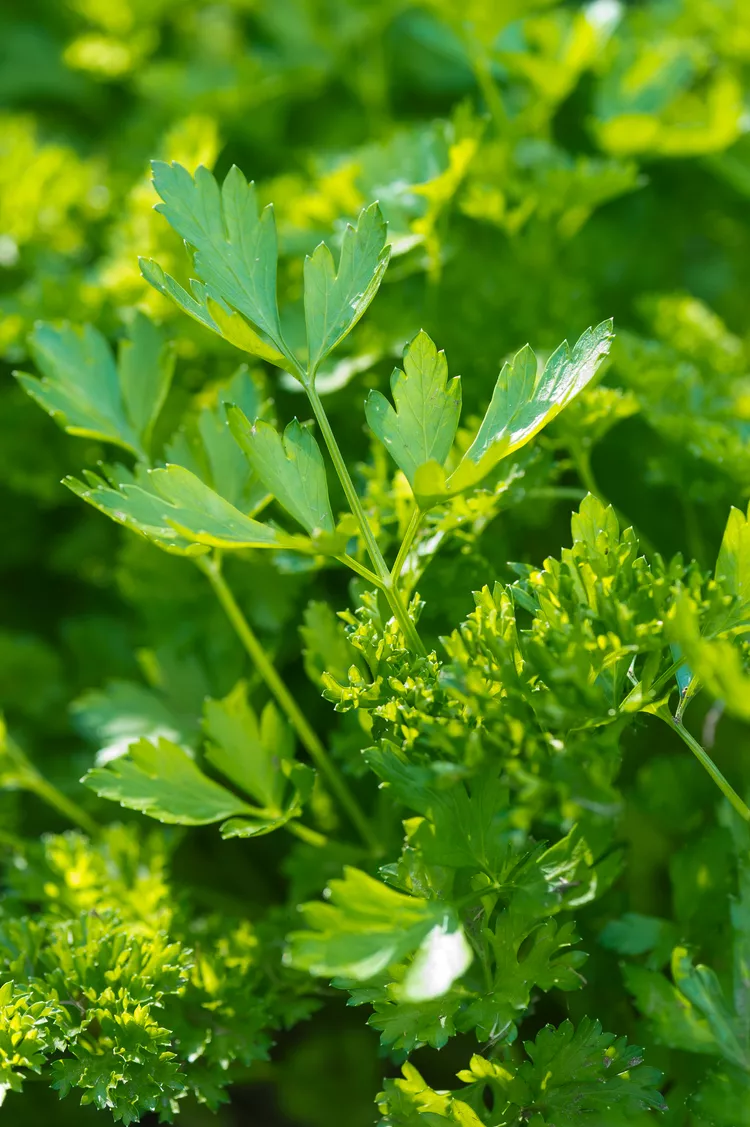
There are a few key things to know about how to harvest parsley to get the most out of this popular herb. Whether you grow parsley in a container garden or an in-ground herb bed, this undemanding plant will yield flavorful leaves from spring to fall when harvested correctly. If you want to get more out of your flat-leaf (Italian) or curly parsley plants, the harvesting tips below will help you pick parsley at the peak of freshness and encourage your plants to produce even more leaves for your favorite recipes.
When to Harvest Parsley
How to harvest parsley at the right time depends on whether you grow your plants from seeds or nursery starts. Nursery parsley starts to mature quickly and can often be lightly harvested immediately after transplanting. However, parsley grown from seed requires more patience, as it usually takes about 70 to 100 days after sowing to reach full maturity.
You’ll know your parsley plants are ready to harvest when they are at least 6 inches tall and their leaves have at least three segments each. The best time to pick parsley is early morning before the sun is high overhead. At this time of the day, the oils in parsley leaves are most potent, and the fresh herbs have the best flavor.
In general, parsley can be harvested from spring through fall, although you can harvest parsley in winter if you live in a mild climate or overwinter the herbs indoors in pots. While parsley is technically a biennial plant, most gardeners grow parsley as an annual because it bolts quickly in its second year. However, you can usually harvest second-year parsley successfully if you pick the parsley leaves early in the year before the plant begins to flower.
Tips for How to Harvest Parsley
When the parsley plants are large enough to be harvested, snip an entire parsley stem off at the base of the plant using sharp kitchen shears or herb scissors. While snipping parsley stems off at the ground level can feel intimidating, it is good for the plant. If you only remove parsley leaves and keep the stems in place, the stems won’t regrow, but if you snip the stems off at their bases, the plant grows bushier and produces new leaves.
If the parsley plants are small, you might want to snip away only a stem or two at a time and then harvest the plant again in a week or so. However, if you have a large, established parsley plant, you can harvest more stems by working your way around the exterior of the plant and harvesting the outermost stems and leaves. Like loose-leaf lettuce plants, parsley produces newer leaves toward the center of the plant, so removing the outer stems rejuvenates the plant’s growth.
How many stems you can harvest from a single parsley plant at a time depends on the size of the plant, but never pick more than a third of a plant at a time. Overharvesting can stress out the parsley plants and limit their growth.
For larger harvests of fresh herbs, grow several parsley plants together and pick a few stems from each plant weekly. This will provide you with all the fresh parsley you need for recipes and give the plants plenty of time to recover between harvests.
How to Store Fresh Parsley
Parsley's flavor is most intense when fresh, so use it as soon as possible after harvesting. However, if you need to store it for a few days in the fridge, place the cut parsley stems in a clean glass with a bit of water—just like cut flowers. When stored this way, parsley should last in the fridge for about 7 to 10 days, but you'll want to change the water daily to keep the herbs fresh.
For longer-term storage, dry parsley in a dehydrator or oven. To dry parsley in the oven, preheat at the lowest temperature (usually 170-180 degrees). Place clean, dry parsley on a baking sheet in a single layer without overlapping. Bake for 20 minutes, checking to make sure it isn't getting burnt. When the parsley crumbles in your hands, it's ready. Store in an airtight container.
Parsley can also be hung up to dry out of direct sunlight, but slower drying methods are more likely to cause the herbs to lose their coloration.
Another option is chopping the parsley and freezing it in ice cube trays with a bit of water. Frozen parsley can last in your freezer for about a year.